


Avian influenza: Potsdam-Mittelmark district calls on poultry farmers to be extra vigilant
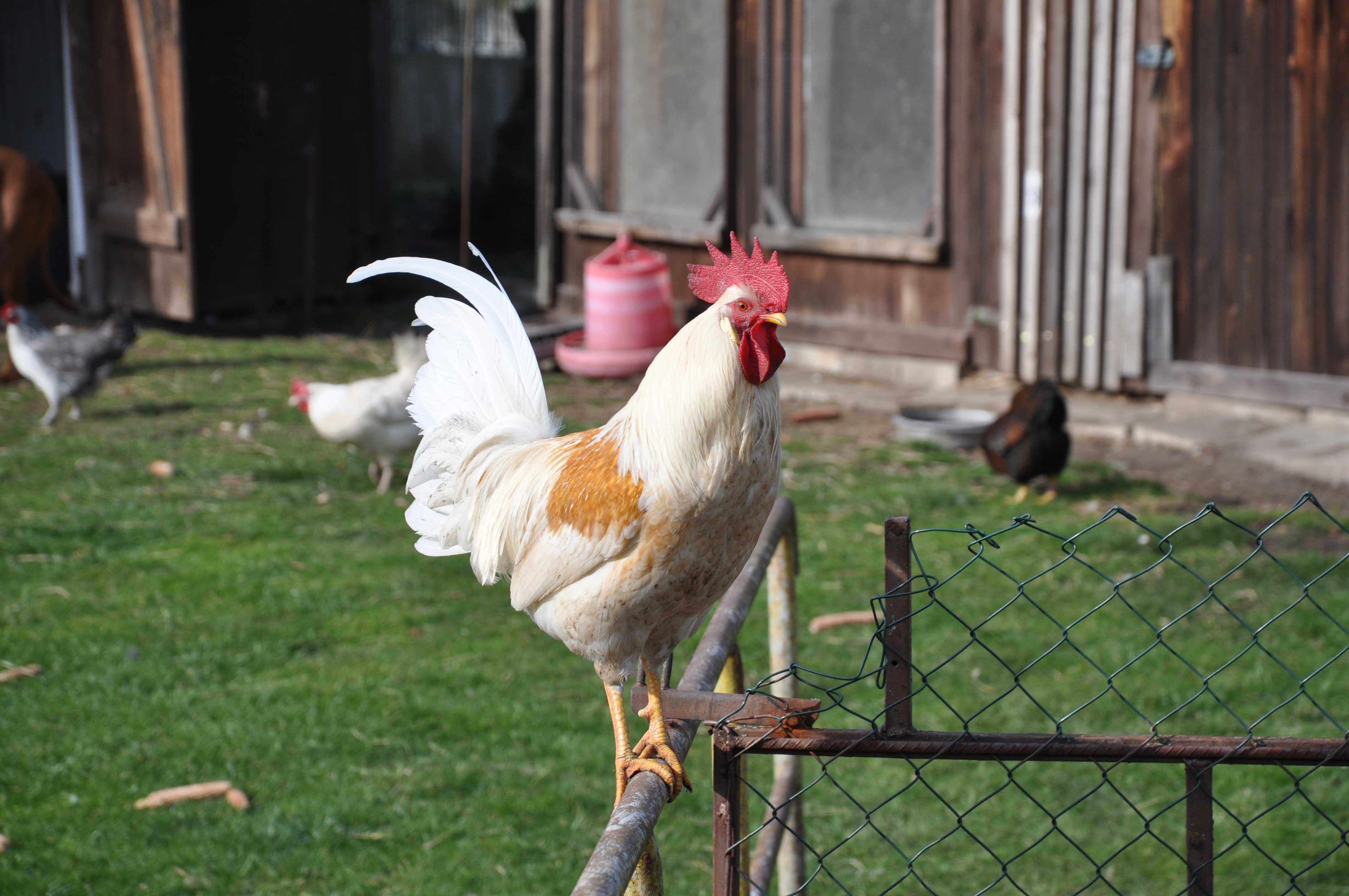
Following further outbreaks in Brandenburg, special protective measures are in place in the northern Potsdam-Mittelmark district. There are currently no plans to impose a district-wide requirement for poultry to be kept indoors.
Bad Belzig, 13 November 2026. Avian influenza continues to spread in Brandenburg. Following outbreaks at poultry farms in the Havelland and Uckermark regions, the virus has also been detected in wild birds in several districts. The Potsdam-Mittelmark Veterinary Office is therefore calling on all poultry farmers to exercise particular caution. There are currently no plans to impose a general mandatory housing order for the entire district. However, binding protective measures are already in place in the northern part of the district.
The trigger was the detection of the highly contagious H5N1 bird flu virus at a farm with around 160 ducks, geese and chickens in the neighbouring Havelland region. The Friedrich Loeffler Institute confirmed the finding on 10 November. Following this, the Potsdam-Mittelmark district established protection and surveillance zones by means of a general order.
The protection zone covers the Kützkow district of the town of Havelsee. The surveillance zone includes the districts of Pritzerbe, Fohrde, Briest, Hohenfercheser and Marzahne in the town of Havelsee, Brielow and Radewege in the municipality of Beetzsee, and the municipality of Bensdorf.
In these areas, chickens, ducks, geese and other domestic birds must be housed in enclosed sheds or under a suitable shelter secured against wild birds. Poultry keepers are obliged to register their flocks with the veterinary office and to check the animals daily for signs of disease. Significant restrictions apply to the transport of poultry, eggs and certain other products. Poultry exhibitions and markets are prohibited in the affected areas. Special hygiene and disinfection measures are also mandatory.
These regulations apply regardless of the size of the flock. For example, anyone keeping five chickens in their garden must observe the protective measures just as strictly as a commercial farm.
Outside the designated zones, poultry keepers may continue to keep their animals outdoors. Poultry exhibitions are also permitted there, subject to certain conditions laid down by the Veterinary Office. Following consultation with the Brandenburg Ministry of Consumer Protection, a district-wide requirement to keep animals indoors has not been imposed at present. Should the outbreak situation worsen, further restrictions may be necessary.
The Veterinary Office recommends that all poultry keepers prevent their animals from coming into contact with wild birds as far as possible. Feed and drinking water should be kept out of reach of wild birds. Water from ponds and other open bodies of water to which wild birds have access must not be used for watering. Equally important are clean footwear – used exclusively for the poultry house where possible – suitable protective clothing, and the regular cleaning and disinfection of equipment.
Particular attention should currently be paid to ducks and geese. Waterfowl may be infected with the virus without showing any clearly recognisable signs of disease. The Veterinary Office therefore advises keepers who were planning to have their animals slaughtered in the coming weeks anyway to consider bringing forward the slaughter date. In doing so, the applicable animal health regulations must be observed. Additional restrictions apply within the protection and surveillance zones.
The public can also help to prevent the further spread of avian influenza. Sick or dead wild birds should under no circumstances be touched. In particular, any sightings of dead swans, geese, ducks or other waterfowl must be reported to the Veterinary Office. It is helpful to provide as precise details as possible regarding the location of the find and the number of animals. Dogs should be kept away from such sites.
The Friedrich Loeffler Institute currently assesses the risk of the avian influenza virus spreading further amongst wild birds as high. With the autumnal bird migration, the risk of the pathogen being introduced into poultry farms also increases.
The full general order dated 10 November 2026, including a map of the affected areas, is available on the district’s website at www.potsdam-mittelmark.de.
If you have any questions or suspect an outbreak, please contact the Veterinary and Food Safety Service on 03381 53-3271 or by email at vetamt@potsdam-mittelmark.de.